
A salmon fillet with garlicky spinach and a squeeze of lemon might be dinner chosen for its flavor and low carbohydrate count. Yet the same plate contains nutrients involved in keeping our eyes healthy. That does not mean it will sharpen your vision by Friday. The relationship between food and eyesight is more interesting, and more limited, than the promise of any “vision-boosting” meal.
For people who eat low-carb, the opportunity is to build satisfying meals around vegetables, fish, eggs and other nutrient-dense ingredients.
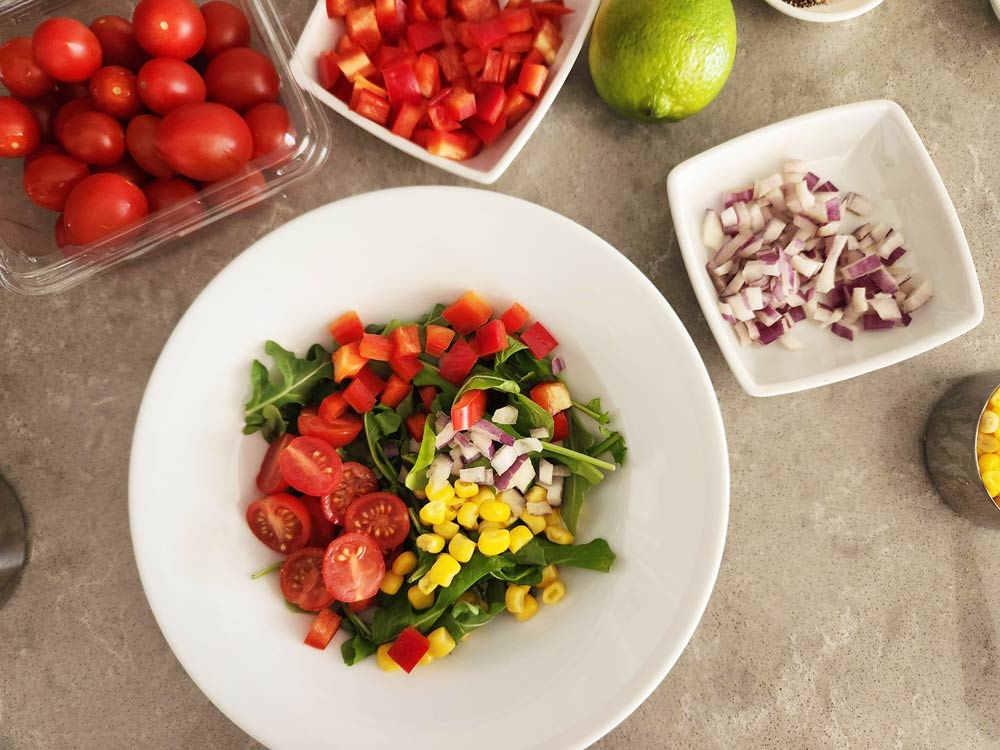
What does nutrition have to do with vision?
The eye is a remarkably demanding piece of biology. Cells in the retina convert light into signals the brain can interpret; the cornea and lens focus that light; the tear film helps keep the eye’s surface comfortable and clear.
Vitamin A, for example, is essential to the process that allows the retina to respond to light. Severe deficiency can impair night vision. Two plant pigments, lutein and zeaxanthin, accumulate in the macula, the part of the retina responsible for detailed central vision. Researchers have studied their possible role in age-related macular degeneration (AMD), a disease that can gradually damage central sight.
These functions matter. But getting adequate nutrients and reversing an established eye condition are separate propositions.
What food cannot fix about eyesight
A nutritious diet can support long-term eye health, but it cannot correct every vision problem. Nearsightedness, farsightedness, and astigmatism involve the way light is focused inside the eye rather than a lack of particular nutrients.
If you’re looking for LASIK in Chicago, an ophthalmologist can assess whether laser vision correction is suitable for you. The procedure reshapes the cornea to address certain refractive errors, while a balanced diet supports the overall health of the eyes. Understanding this distinction helps put dietary choices into perspective: good nutrition remains important, but some vision problems require appropriate optical correction or medical treatment.
Which low-carb foods deserve a place on the plate?
Dark leafy greens. Spinach, kale and collard greens are particularly useful sources of lutein and zeaxanthin. They fit comfortably into low-carb cooking: wilt spinach into scrambled eggs, roast kale until its edges crisp, or toss greens with olive oil and lemon. Their value comes from regular inclusion in a varied diet, not from eating an enormous portion once a week.
Oily fish. Salmon, sardines and trout provide omega-3 fats, including DHA, an important component of retinal tissue. Fish also makes a practical centerpiece for a low-carb meal. A salmon tray bake with zucchini and herbs needs little preparation, while canned sardines can turn a simple salad into lunch. Research on omega-3 supplements has not established that taking capsules prevents AMD, so food and supplement claims should not be treated as interchangeable.
Eggs and colorful vegetables. Egg yolks contain lutein and zeaxanthin, alongside other nutrients. Red bell peppers contribute vitamin C; broccoli adds variety and fiber. Try an omelet with peppers and greens or a roasted broccoli salad with boiled eggs and mustard dressing.
Nuts and seeds. Almonds and sunflower seeds supply vitamin E, while pumpkin seeds contribute zinc. A modest handful adds texture to salads or plain yogurt. Portions still matter: calorie-dense foods do not become unlimited simply because they are low in carbohydrates.

Where blood sugar enters the picture
Some of the strongest links between diet and vision are indirect. Diabetes can damage the tiny blood vessels supplying the retina, causing diabetic retinopathy. Uncontrolled blood sugar increases the risk of serious sight loss; blood pressure and cholesterol also influence that risk.
Eating patterns that help someone manage diabetes may therefore matter to eye health. Yet “low-carb” is a description of carbohydrate intake, not a guarantee of nutritional quality. A plate built largely from processed meat and cheese looks different from one featuring fish, greens, avocado and unsaturated fats.
People with diabetes should choose dietary changes in the context of their individual treatment plan. Medication, physical activity and regular retinal examinations remain important, whatever is on the menu.
Should you take eye-health supplements?
One important example is the AREDS2 formulation, a specific combination of vitamins and minerals studied in people with age-related macular degeneration. It can reduce the risk of progression in certain patients, but it does not prevent AMD from developing in healthy eyes.
That finding should not be stretched into a recommendation for everyone to take high-dose antioxidants. Supplements may have side effects, and their suitability depends on medical history and the condition being treated. For most everyday meal planning, variety and food quality are more useful starting points than a collection of pills.
Make eye-friendly eating an ordinary habit
There is no need for a separate “eye-health diet.” Start with a few reliable meals and rotate the ingredients: eggs with sautéed spinach for breakfast, a chopped salad with salmon for lunch, and roasted chicken with broccoli and peppers for dinner. Add herbs, citrus, olive oil or a spoonful of seeds to keep the flavors interesting.
If you are strictly limiting carbohydrates, remember that vegetables still deserve room on the plate. Different colors and textures often indicate different nutrient profiles. A repetitive menu may meet a carb target while leaving little dietary diversity.
And keep food in perspective. Eye examinations can detect problems before symptoms appear. Protective eyewear, avoiding smoking, managing chronic conditions and seeking care for changes in vision all have roles that no recipe can fulfill.
The most defensible promise of a good low-carb meal is modest but meaningful: it can be enjoyable, nutritionally varied and part of the habits that support healthy eyes over time.
Laura is dedicated to a low-carb lifestyle after losing 52 pounds on the keto diet. As many of us do, she struggles with her weight and has found that one of the only diet lifestyles that allows her to maintain a healthy weight is a low-carb diet. She shares her favorite low-carb recipes here that are both easy to make and full of flavor, so you don’t even miss the carbs.