
One of the biggest misconceptions about plant-based eating is that it’s all salads, steamed vegetables and meals that leave you craving something more. Add low-carb into the mix, and many people assume the menu becomes even more restrictive.
Fortunately, that couldn’t be further from the truth.
Delicious plant-based meals aren’t defined by how many carbohydrates they contain. Instead, they’re made from thoughtful ingredient choices, cooking techniques and layers of flavour. By focusing on naturally low-carb vegetables, protein-rich plant foods and bold seasonings, you can create meals that are every bit as satisfying as their higher-carb counterparts.
Whether you’re exploring a vegan lifestyle, reducing your carbohydrate intake or simply looking to eat more vegetables, here’s how to make every bite more exciting.
Why Low-Carb Plant-Based Meals Can Taste Bland
When people first transition to a low-carb vegan diet, they often remove familiar ingredients like rice, pasta and bread without replacing them with foods that deliver richness and complexity.
The result is usually a plate filled with plain vegetables that lack contrast in flavour and texture.
Great cooking isn’t about eliminating ingredients. It’s about understanding what creates satisfaction. Sweetness, acidity, saltiness, bitterness and umami all work together to build balanced dishes. Once you start thinking beyond carbohydrates, you’ll discover just how much flavour plants naturally offer.
Let Umami Do the Heavy Lifting
Umami is often described as the fifth taste, adding depth and savouriness that makes meals feel complete. Many plant-based ingredients are naturally rich in umami, making them ideal for low-carb cooking.
Some excellent choices include:
- Mushrooms
- Miso paste
- Nutritional yeast
- Tamari or coconut aminos
- Sun-dried tomatoes
- Tomato paste
- Seaweed
- Fermented vegetables
Rather than relying on a single seasoning, you should try combining several umami-rich ingredients. For example, roasted mushrooms tossed with garlic, tamari and nutritional yeast create a deeply savoury side dish that pairs well with tofu or grilled vegetables.
Fresh Herbs and Spices Make All the Difference
One of the easiest ways to level up your vegetables is by using generous amounts of herbs, spices and aromatics.
Fresh garlic, ginger and chilli provide an instant boost of flavour, while spices like cumin, coriander, turmeric and smoked paprika add warmth and complexity to every meal. Fresh herbs such as basil, mint, coriander and parsley brighten rich dishes and create balance.
Acid is another ingredient that’s often ignored. A squeeze of lemon juice or a splash of vinegar added just before serving can dramatically lift the flavours of roasted vegetables or stir-fries.
So instead of depending solely on salt, think about layering different flavour elements throughout your cooking process.
Choose Naturally Low-Carb Plant Foods
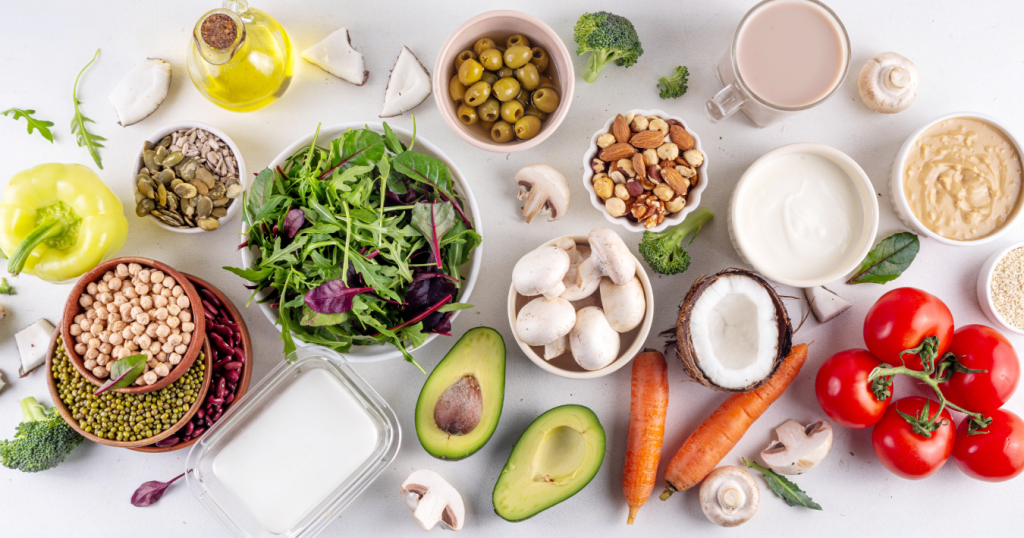
Low-carb eating doesn’t mean limiting yourself to lettuce.
Many vegetables are naturally low in carbohydrates while providing fibre, vitamins and plenty of opportunities for creative cooking.
Some versatile favourites include:
- Cauliflower
- Broccoli
- Zucchini
- Eggplant
- Bok choy
- Spinach
- Cabbage
- Green beans
- Asparagus
- Brussels sprouts
For protein, tofu, tempeh and edamame are excellent additions that can help make your meals more filling without adding excessive carbohydrates.
Nuts and seeds can also contribute healthy fats and satisfying crunch. Toasted sesame seeds, chopped almonds or pumpkin seeds work particularly well as finishing touches.
Cooking Techniques Matter Just as Much as Ingredients
Even the freshest ingredients can fall flat if they’re cooked without care.
Roasting vegetables at high heat caramelises their natural sugars, creating deeper flavours and crisp edges. Stir-frying preserves texture while allowing sauces and seasonings to coat every bite. Grilling introduces smoky notes that make vegetables feel hearty and satisfying.
Texture also plays an important role.
A bowl filled with soft vegetables may taste pleasant, but combining crispy roasted cauliflower, creamy avocado, crunchy seeds and marinated tofu creates a far more enjoyable eating experience.
Simple techniques like charring broccoli, air frying tofu or lightly blistering green beans can completely change how a dish tastes and feels.
Explore Global Flavours
Many cuisines have long relied on vegetables as the centre of the meal, making them excellent sources of inspiration for low-carb vegan cooking.
Asian cuisines often feature stir-fried greens, tofu, mushrooms and fermented ingredients that naturally deliver bold flavours. Mediterranean dishes rely on olive oil, herbs and grilled vegetables, while Middle Eastern cooking showcases warming spices, fresh herbs and vibrant salads.
Drawing inspiration from different culinary traditions helps keep meals varied while introducing flavour combinations you may not have considered before.
Dining out can also spark new ideas. Restaurants specialising in modern plant-based cuisine often demonstrate just how creative vegetable-focused cooking can be. You’ll find that innovative vegan dishes can showcase bold spices, carefully balanced flavours and creative techniques that are easy to adapt in your own kitchen. Take for instance this yum cha restaurant in Melbourne that’s introducing a plant-based approach to a timeless tradition with bold, innovative flavors.
A Balanced Plant-Based Diet Still Matters
While flavour is important, nutrition shouldn’t be ignored.
A well-planned vegan diet can provide the nutrients your body needs when it includes a wide variety of vegetables, legumes, whole foods, healthy fats and quality protein sources. According to the Harvard T.H. Chan School of Public Health, plant-based eating patterns are associated with numerous health benefits when they emphasise minimally processed foods and balanced nutrition.
Rather than focusing on strict food rules, you should aim to build meals that combine colour, texture, flavour and nourishment.
Final Thoughts
Plant-based, low-carb eating doesn’t have to feel limiting. In fact, it can open the door to a wider range of ingredients, cooking methods and flavour combinations than you may have explored before.
By embracing umami-rich ingredients, experimenting with herbs and spices, choosing naturally low-carb vegetables and paying attention to texture, you’ll create meals that are satisfying enough to enjoy again and again.
So next time when someone says vegan food is bland, you’ll know that great flavour has never depended on carbohydrates, it comes from cooking with creativity and confidence.
Laura is dedicated to a low-carb lifestyle after losing 52 pounds on the keto diet. As many of us do, she struggles with her weight and has found that one of the only diet lifestyles that allows her to maintain a healthy weight is a low-carb diet. She shares her favorite low-carb recipes here that are both easy to make and full of flavor, so you don’t even miss the carbs.